 By sudoku 247
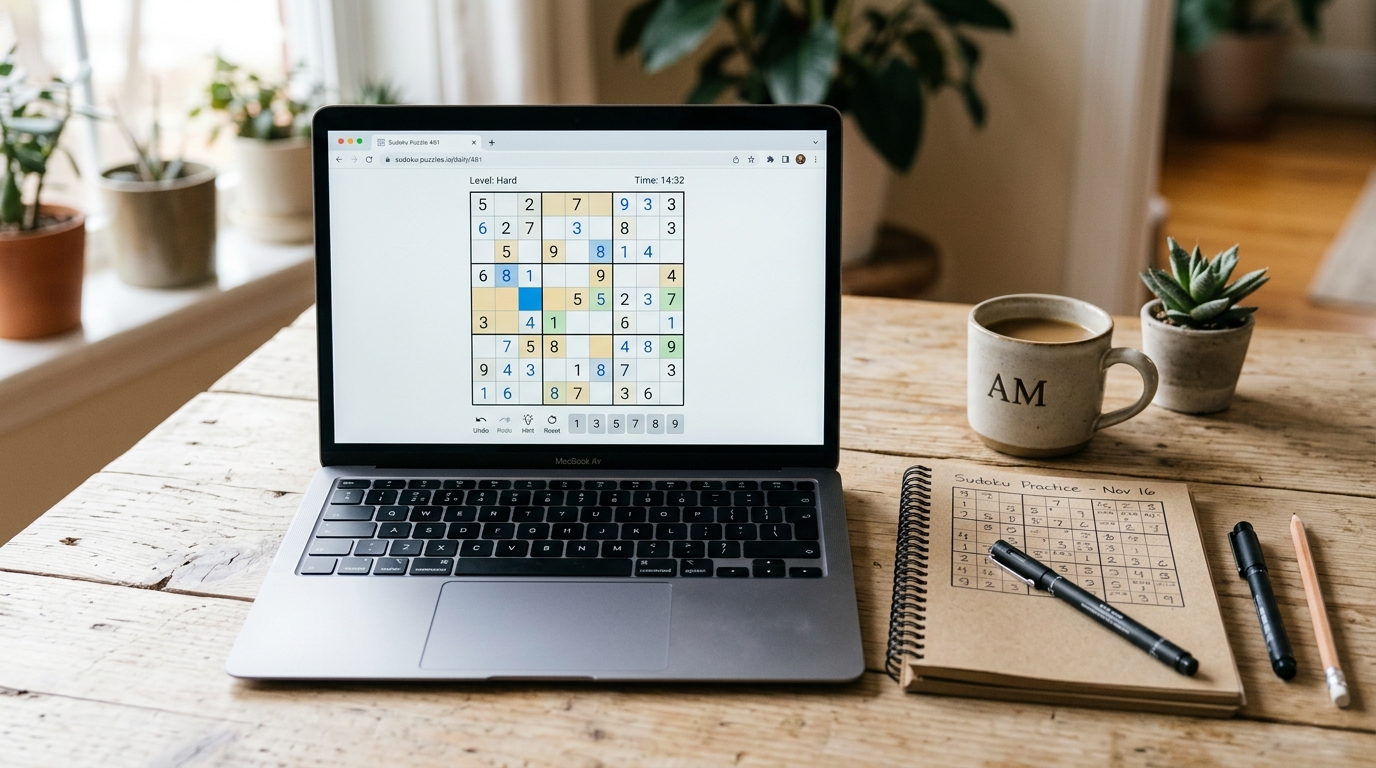
Before it was a phone icon or a newspaper habit, Sudoku was a quiet number-placement idea traveling under another name. Sudoku Number Place history gives that moment a name, but the useful part is the habit behind it. The aim is not to make every move look clever. It is to make the next move easier to explain.
Why Sudoku Number Place history matters on an ordinary puzzle
Sudoku Number Place history is a story of translation as much as invention. The modern form is commonly traced to an American puzzle called Number Place, then to Japanese puzzle publishing, where Nikoli helped popularize the name Sudoku and the clean 9 by 9 format. The important part for a player is the continuity: the grid stayed small, the rules stayed fair, and the daily ritual grew around it. A player does not need a special setup to use this idea. It works during a short browser session, on a printed page, or in the middle of a game when attention is starting to drift.
Sudoku rewards a particular kind of attention. The board does not ask you to remember a long story or recognise a picture. It asks you to compare small relationships again and again. That is why a narrow scan can be stronger than a grand plan. One row limits a box, the box limits a column, and the new number sends information back through the same three units. The player who keeps that loop visible usually makes fewer repairs later. If the scan feels dry, shorten it: choose one digit, one unit, and one reason for every mark.
The wider background is worth keeping nearby. Nikoli’s Sudoku background offers useful context for this puzzle family, while Conceptis Sudoku history overview gives a second view of its rules or history. The sources differ in purpose, but both support the same practical lesson: a clear structure gives the player something reliable to inspect.
How to use Sudoku Number Place history without forcing it
Read the history through the features that survived. The grid has three kinds of houses, the answer is built from restrictions rather than trivia, and a puzzle can be completed in a short sitting. When you play, notice how those same design choices make the puzzle travel well from paper to browser. Start with a legal move and let the evidence narrow the field. If the position does not improve, stop. A good technique is a filter, not a command to keep pushing the same idea after the board has moved on.
A short routine for the next game
Use a history-to-play routine. Read a short background note, play one classic grid, and write down which rule made the puzzle accessible. Then try a harder grid and notice how the same simple rules create more complicated decisions.
- Remember Number Place as an earlier name for the modern form.
- Notice the role of Japanese puzzle publishing.
- Play the classic 9 by 9 rules without adding a guess.
- Compare the print habit with an online daily session.
The mistake that makes this idea feel harder
The trap is searching for one inventor and treating the whole story as a single launch. Another mistake is assuming that a change of name created a different game. Names and publishers helped the puzzle spread, but the solving experience came from the structure of the grid.
What to remember when the board changes
Sudoku Number Place history makes the daily puzzle feel less isolated. Each grid is part of a longer publishing journey, but it still gives you the same quiet task: compare what is possible and place only what the evidence supports. That is also why Sudoku Number Place history should stay practical. Use it when it describes the board in front of you, then return to ordinary reading when the evidence changes. A puzzle is allowed to ask a different question on the next move.
If Sudoku Number Place history does not produce a move today, that is useful information too. Leave the position clean, keep the strongest clue visible, and come back after one ordinary move. Techniques become reliable through that small return: notice the signal, test it, record what changed, and stop before the idea turns into a guess. Over time, the pause becomes part of your solving rhythm rather than a sign that the puzzle has defeated you.
Keep the session concrete. Name the clue, make one reversible change, and look again. That is enough for a useful practice round, even when the puzzle is unfinished. A short note about what changed makes the next session easier to start.
For a live session, play more puzzles on sudoku-247.org. When you want a related example, browse related posts on this site. You can also try another daily puzzle at Easy Daily Puzzle or find more puzzle guides on Easy Daily Puzzle. Keep the next step simple: play one puzzle, try the routine once, and notice which decision became clearer.
A useful Sudoku session can end before the grid is complete. Leave one confirmed restriction visible, then return later with the board still readable. That small pause protects the logic you have already earned.