 By sudoku 247
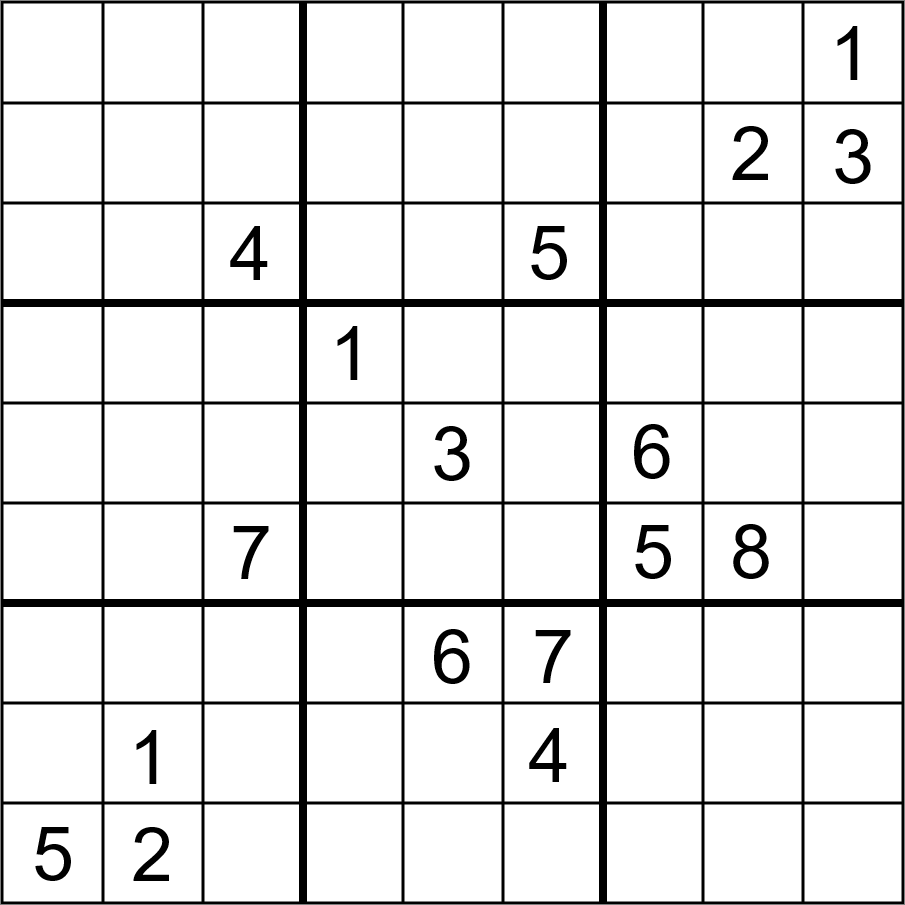
A Sudoku grid can look stuck even when it is still giving you directions. The useful clue is often not a filled number but a small candidate that keeps appearing in the same few places. Sudoku candidate trail gives that moment a name, but the useful part is the habit behind it. The aim is not to make every move look clever. It is to make the next move easier to explain.
Why Sudoku candidate trail matters on an ordinary puzzle
A candidate trail follows one digit through a row, column, and box. You are not trying to solve the whole puzzle from that digit. You are asking a smaller question: where can this number still live, and what does each restriction remove? That change of scale makes a crowded grid less noisy. It also gives you a record of why a move is safe, which matters when the first easy singles have disappeared. A player does not need a tournament setup or a perfect memory to use this idea. It works during a short browser session, on a printed page, or in the middle of a game when attention is starting to drift.
Sudoku rewards a particular kind of attention. The board does not ask you to remember a long story or recognise a picture. It asks you to compare small relationships again and again. That is why a narrow scan can be stronger than a grand plan. One row limits a box, the box limits a column, and the new number sends information back through the same three units. The player who keeps that loop visible usually makes fewer repairs later. If the scan feels dry, shorten it: choose one digit, one unit, and one reason for every mark.
The broader history of this kind of puzzle helps explain why the habit travels well. Nikoli’s Sudoku background provides useful background for the sudoku format, while Conceptis Sudoku history overview offers a second view of its rules or history. The sources differ in detail, but both point to the same practical lesson: a clear structure gives the player something reliable to inspect.
How to use Sudoku candidate trail without forcing it
Choose a digit that already appears often on the board. Scan each 3×3 box first, then check the rows and columns that touch its remaining cells. If two possible cells are in the same line, mark that relationship. If a third cell loses the digit because of a placed number, cross it out rather than rushing to fill something else. Start with a legal move and let the evidence narrow the field. If the position does not improve, stop. A good technique is a filter, not a command to keep pushing the same idea after the board has moved on.
A short routine for the next game
Try this five-step rhythm: pick one digit, scan the boxes, write only legal positions, compare shared rows or columns, then recheck the unit after every placement. The final recheck is important because a new number can turn an ordinary candidate trail into a hidden single. The habit is small enough for a daily puzzle and disciplined enough for a harder grid.
- Choose one digit that has several visible placements.
- Scan boxes before writing a long row of notes.
- Compare candidates that share a row or column.
- Erase the trail after the board changes.
The mistake that makes this idea feel harder
The common mistake is following too many digits at once. A page full of notes can feel productive while hiding the one useful connection. Keep one candidate in view for a short pass. If the trail produces no restriction after two units, stop and switch to another digit or a different part of the grid.
What to remember when the board changes
The point is not to make Sudoku slower. It is to replace the feeling of being stuck with a question you can answer. A candidate trail gives your eyes something specific to follow, and that often reveals the next move before any advanced pattern is needed. That is also why Sudoku candidate trail should stay practical. Use it when it describes the board in front of you, then return to ordinary reading when the evidence changes. A puzzle is allowed to ask a different question on the next move.
If Sudoku candidate trail does not produce a move today, that is useful information too. Leave the position clean, keep the strongest clue visible, and come back after one ordinary move. Techniques become reliable through that small return: notice the signal, test it, record what changed, and stop before the idea turns into a guess. Over time, the pause becomes part of your solving rhythm rather than a sign that the puzzle has defeated you.
Keep the session concrete. Name the clue, make one reversible change, and look again. That is enough for a useful practice round, even when the puzzle is unfinished. A short note about what changed makes the next session easier to start.
For a live session, Play more puzzles on sudoku-247.org. When you want a related example, browse related posts on this site. You can also try another daily puzzle at Easy Daily Puzzle or find more puzzle guides on Easy Daily Puzzle. Keep the next step simple: play one puzzle, try the routine once, and notice which decision became clearer.