 By sudoku 247
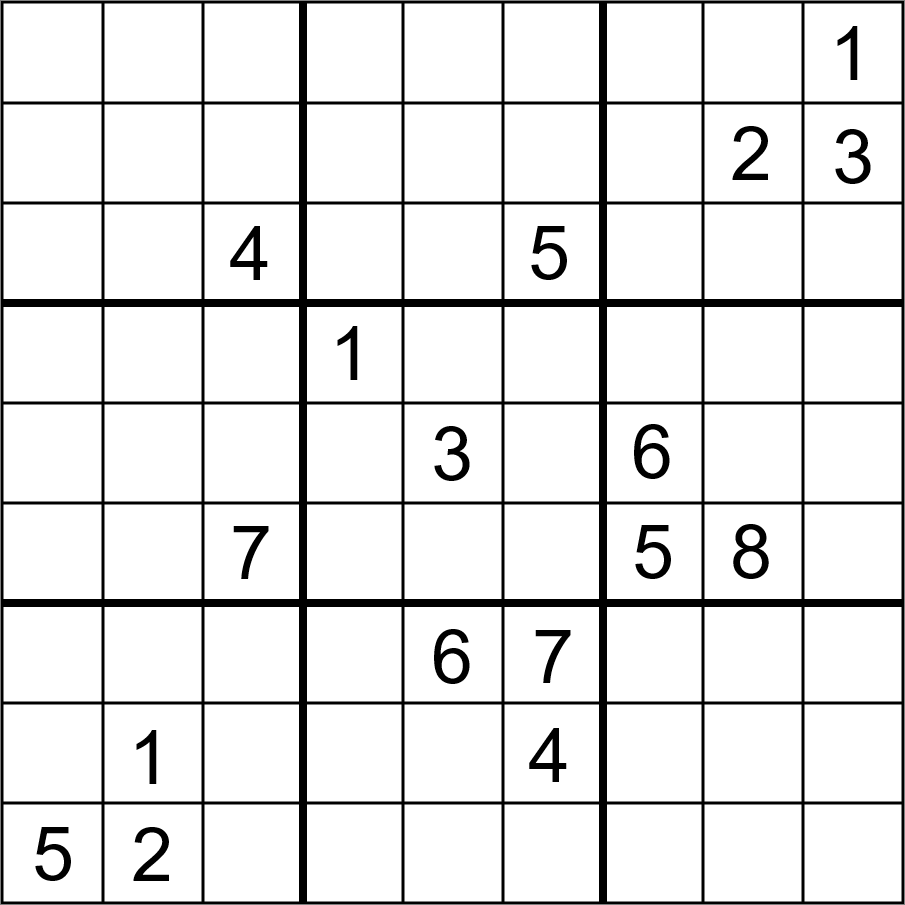
Sudoku 247 sits at the meeting point of an old puzzle tradition and a very modern habit: opening a browser for a few quiet minutes. The browser version feels especially natural because a player can open one grid, solve at a steady pace, and leave without carrying a book or a pencil case. The history is worth knowing because it explains why this format survived changes in paper, software, and screen size. A game that can move between those settings has more going for it than a catchy name. It has a clear promise, a small learning curve, and enough room for a player to improve.
Sudoku 247 in practice
A grid with a longer journey than it looks
The modern Sudoku story begins under another name. Number Place appeared in the United States in 1979 in Dell Pencil Puzzles and Word Games, with the familiar 9-by-9 structure already in place. The rule was spare: place the digits one through nine so that each row, column, and 3-by-3 box contains each digit once. There was no arithmetic to calculate and no vocabulary test to pass. The puzzle worked because the constraints were simple to explain and difficult to exhaust.
Nikoli introduced the puzzle to Japanese readers in 1984 after finding it in an American magazine. The publisher shortened the name to Sudoku and helped give the printed version a recognizable identity. That naming step mattered. It made the puzzle easier to remember, easier to collect, and easier for newspapers to present as a regular feature. The underlying logic did not change, but the puzzle now had a home and a distinct voice.
Why the format travels so well
The journey from magazine to browser was not an accident. Sudoku needs very little space, works in black and white, and can be solved with a pencil, a mouse, or a fingertip. A reader can understand the rules before finishing the first paragraph, then spend much longer learning how to scan rows, columns, and boxes without guessing. That combination is unusually friendly to both print and digital publishing.
For a player, the history also explains the game’s quiet confidence. It does not need a story layer, a cartoon character, or a large instruction panel. The board is enough. A daily session can be short, but it can also become a long-term habit because the same rules keep producing new decisions. That is why the format still feels fresh on a small screen.
The useful lesson for a daily player
Knowing the origin will not solve a hard grid, but it suggests the right attitude. Sudoku was built around clean constraints, so the best first move is usually a clean scan. Check a row against its missing digits, check the box that limits those candidates, and wait when the evidence is weak. The puzzle rewards patience because every correct placement changes the information around it.
If you want to continue, you can play a fresh Sudoku puzzle on the main site or browse more Sudoku games and guides on this site. For the historical thread, Nikoli’s official Sudoku page and TIME’s profile of Wayne Gould are useful places to keep reading.
What the older format still teaches
Before the next board, decide what counts as evidence. A single candidate left in a unit is evidence. A number that merely feels comfortable is not. This small distinction keeps the solve honest and makes a later review possible. When a puzzle goes wrong, you can return to the first unsupported choice instead of blaming the entire board.
Give the opening a fixed amount of time. Scan the rows, columns, and boxes once, then begin with the area that has the fewest legal options. If the scan produces nothing, that is useful information too. It tells you to switch from direct placements to candidate notes rather than forcing a move. The board is not asking for speed yet; it is asking for a better question.
After every confirmed digit, revisit only the units it touches. This keeps the work light and prevents the common habit of restarting the whole scan after every move. Small loops are easier to maintain than a dramatic full-board search, especially on a phone where visual fatigue arrives quickly.
When you finish, write down one observation instead of only the time: a box you missed, a note you forgot to erase, or a moment when waiting helped. Then try another daily puzzle on Easy Daily Puzzle or search this site for more sudoku guides. A useful routine grows from those small observations.
The small detail worth remembering
A puzzle session becomes more satisfying when the player can explain one decision afterward. It might be a hidden single, a careful box scan, or simply the moment they chose not to guess. Explanation turns a completed board into practice that carries forward.
That is the durable appeal of a clean grid. The rules stay fixed, but the player’s attention keeps getting more precise. A few quiet sessions are enough to make the next board feel less like a wall and more like a conversation with evidence.
If the board feels difficult, lower the speed before lowering the standard. A slower scan with honest notes usually teaches more than a quick guess followed by a long repair.
For a little more context, read Nikoli’s Sudoku background and TIME on Wayne Gould and Sudoku’s spread. These references are useful for checking the basic history or rules without turning a daily game post into a long reference list.