 By sudoku 247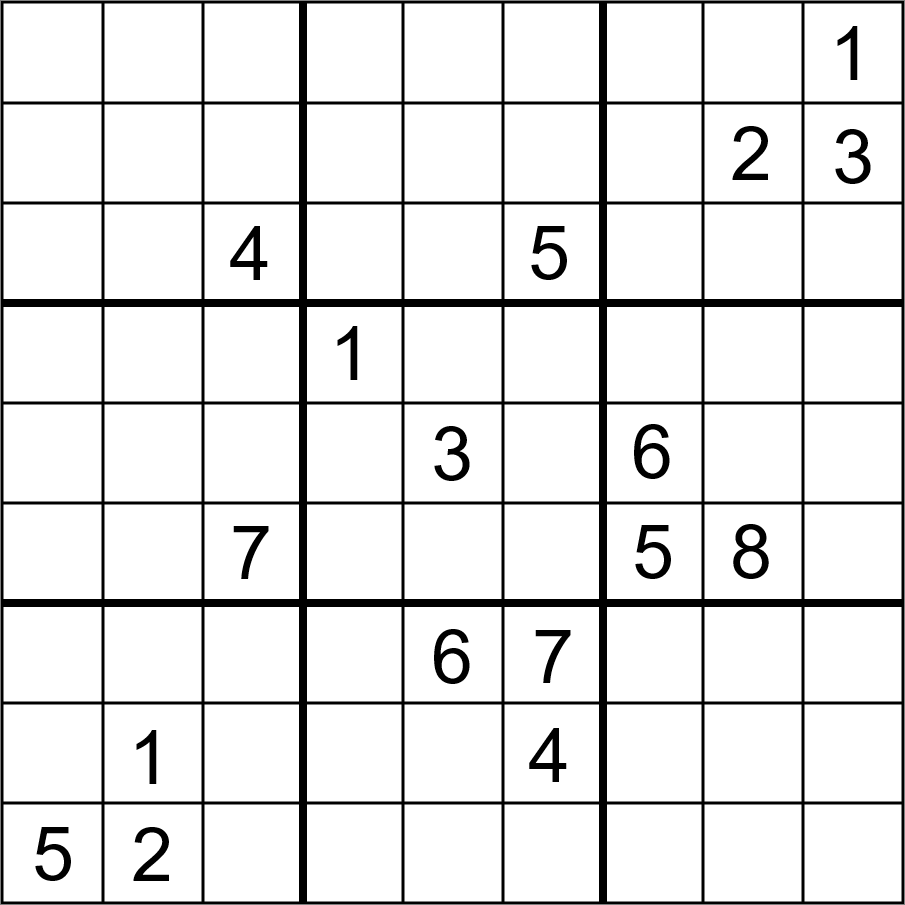
Sudoku history starts earlier, and farther from Japan, than many casual players expect. The modern grid first appeared in the United States as Number Place, then picked up its name and cleaner identity in Japan before becoming the kind of daily puzzle people solve with coffee, on trains, or in a browser tab on Sudoku 247.
Sudoku history before the modern name
The version most players recognize already existed in 1979, when Dell published Number Place in a puzzle magazine. Conceptis gives a short overview of that early step, and it helps explain why the puzzle lasted. The rules were simple, the layout was tidy, and the challenge came from logic rather than trivia.
That structure made the game easy to carry from one medium to another. A reader could solve it on paper, then later on a phone or laptop, without learning anything new.
Sudoku history in Japan changed the feel of the puzzle
Nikoli did more than rename the game. On its official page, Nikoli explains how it introduced the puzzle to Japanese readers and shortened the title to Sudoku. That shorter name, plus a cleaner publishing style, made the game easier to remember and easier to sell to a wider audience.
Why sudoku history still feels current
Sudoku never needed loud presentation to stay interesting. One clean grid still creates enough tension because every correct move gives you usable information, and every careless guess creates more trouble later.
Where the grid still fits
That portability is probably the biggest reason Sudoku never really disappeared. It fits newspapers, books, websites, and short daily routines without changing its basic shape.
- Play on Sudoku 247
- Find more sudoku posts on Sudoku 247
- Read the Conceptis Sudoku history overview
- Read Nikoli’s Sudoku background page
That long run from Number Place to modern browser play is what makes Sudoku such a durable puzzle. The rules stayed short, the board stayed familiar, and people kept coming back for one more grid.